Thursday morning, 5:00AM.
I managed to make it to the airport on my own, and was feeling a bit melancholy — a combination of little sleep and sad about leaving Sam—trying to mentally rally for week 3 of Tanzania travels: solo edition …
When out of the crowd came a familiar face with the biggest toothy grin spilling out somewhat inaudible giddiness and enveloping me in a strong embrace…
I found Bernard!
(Or rather, he found me.)
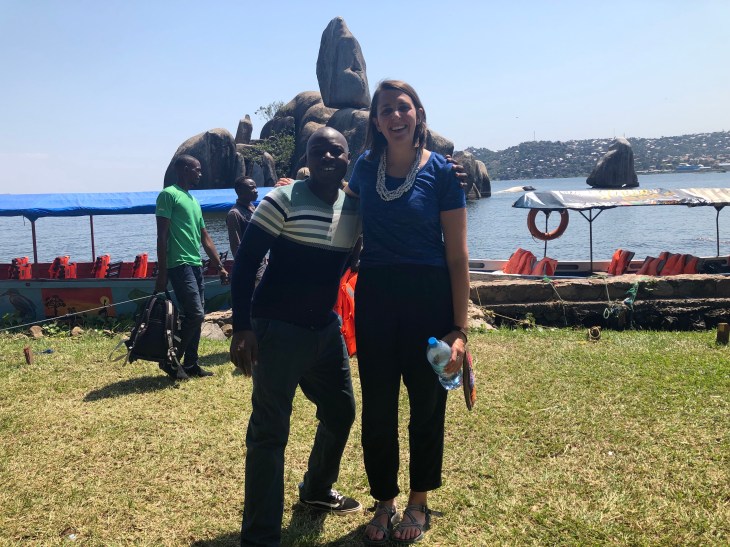
My third and final Mandela-Washington fellow host also happened to be in Dar (to accept an East African Leadership Award he received! 👏👏), and was flying back to Mwanza around the same time, but on a different flight. Seeing his excitement and getting that sweet greeting was all I needed to instantly feel better and re-energized for the last leg of this already all-I-could-ever-ask-for trip!
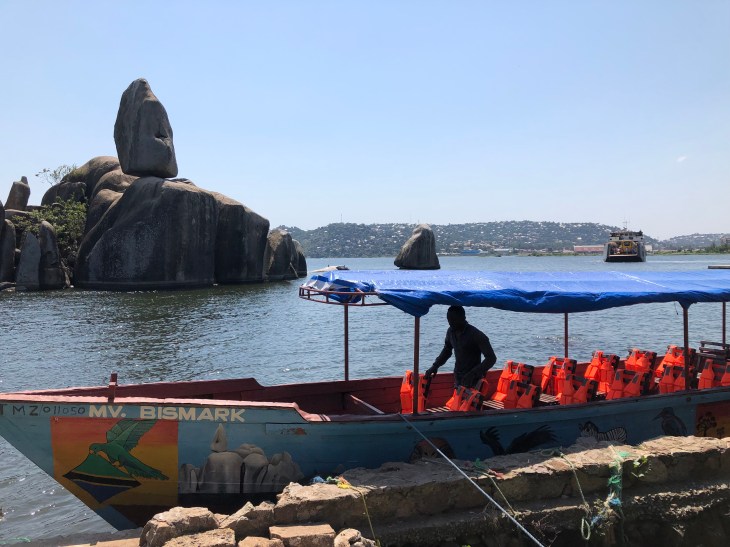
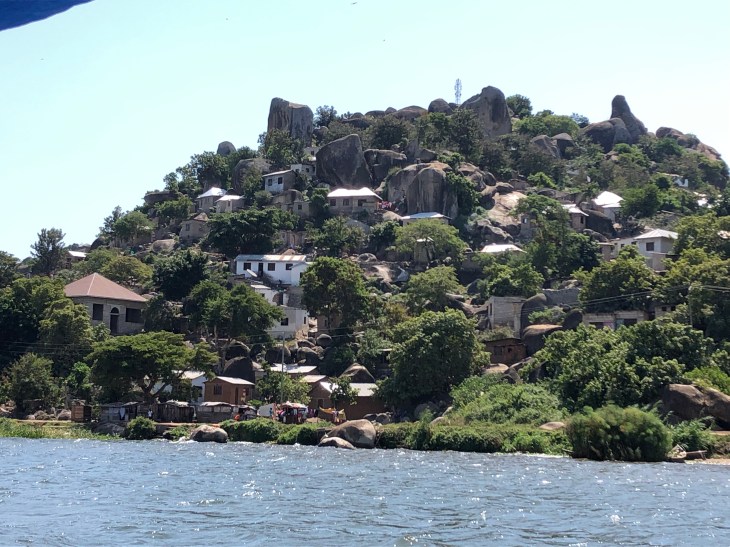
After a nice catch up over breakfast and a quick power nap at the hotel in Mwanza, we headed into town for a boat tour on Lake Victoria. It quickly became apparent where this town earned its nickname “Rock City”… it looks like it rained giant boulders all over the shoreline and hillsides! Something out of a scene in the Princess Bride, I’d say.
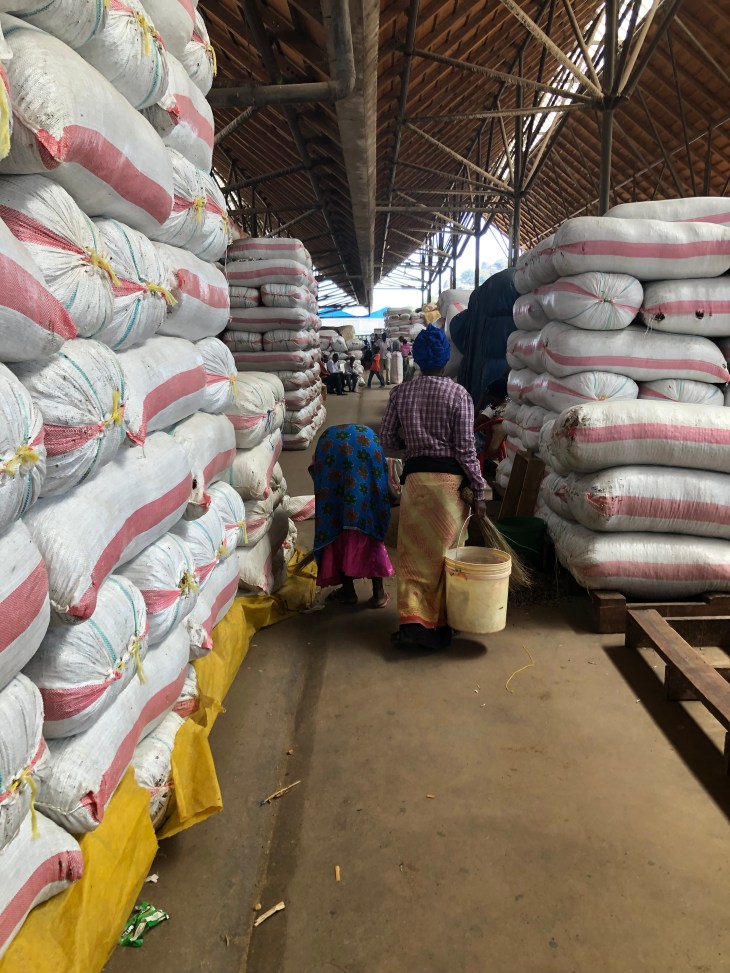
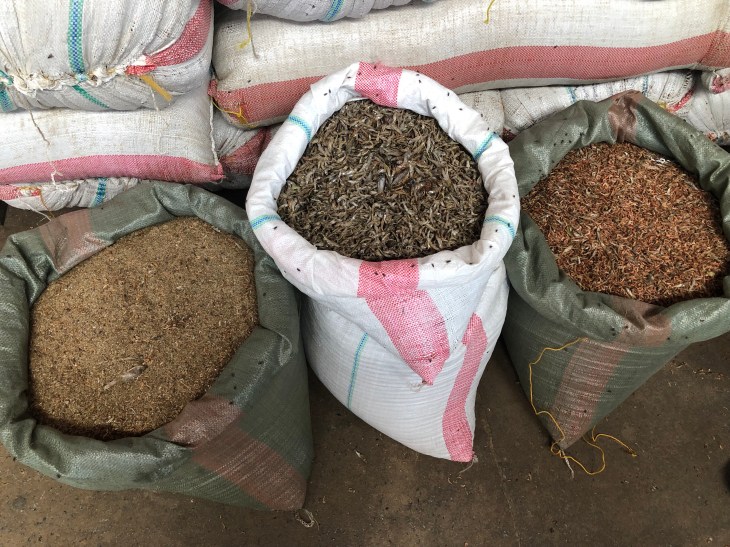
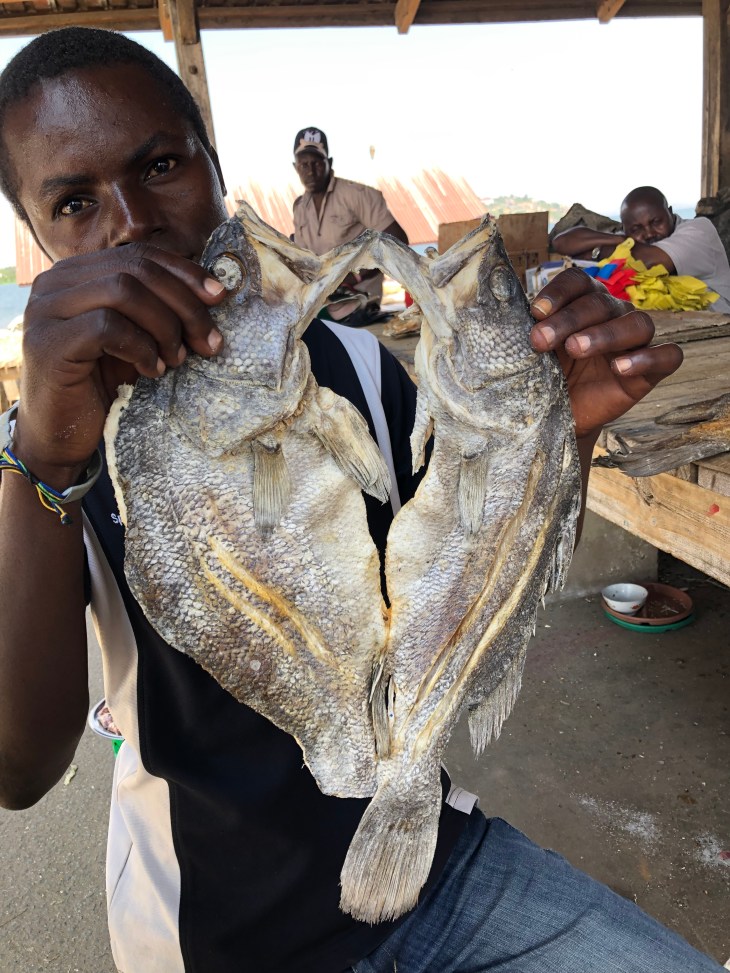
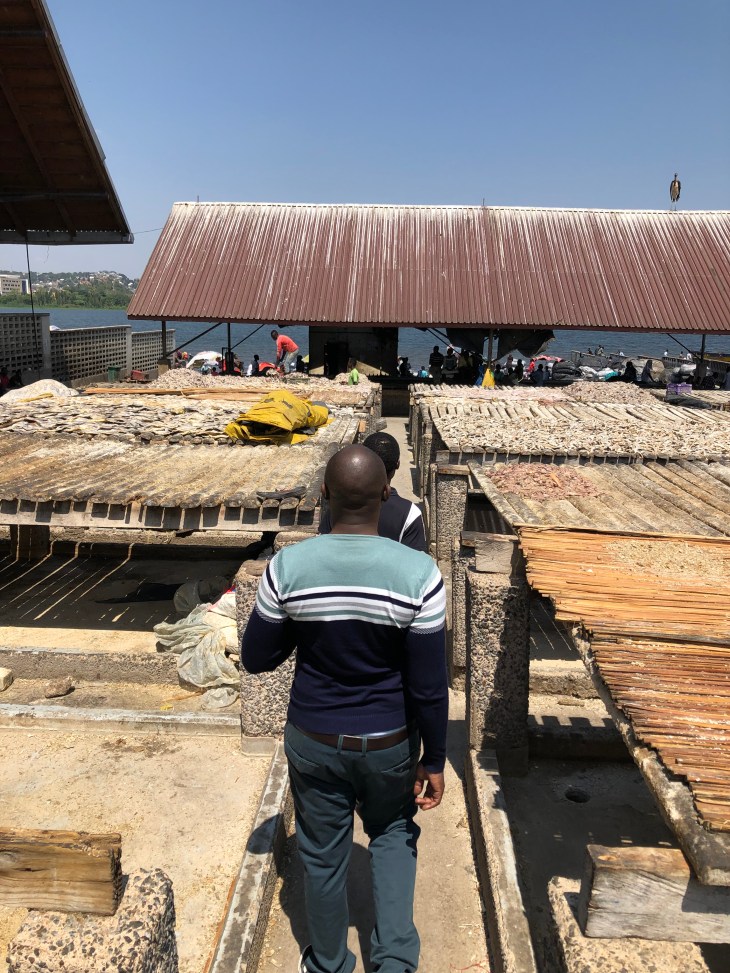
Our guide took us to the East African Fish Market, apparently the hub in the region for trading fish. There’s a tremendous operation of drying, packing, and shipping fish here—largely for refugees (I believe from the Congo) living in Uganda, Rwanda, and along the border of Burundi and Tanzania. There were giant piles of sardines being sorted for human and livestock consumption, buckets full of them being dumped into large bags with men wearing special booties to stomp and pack them down.
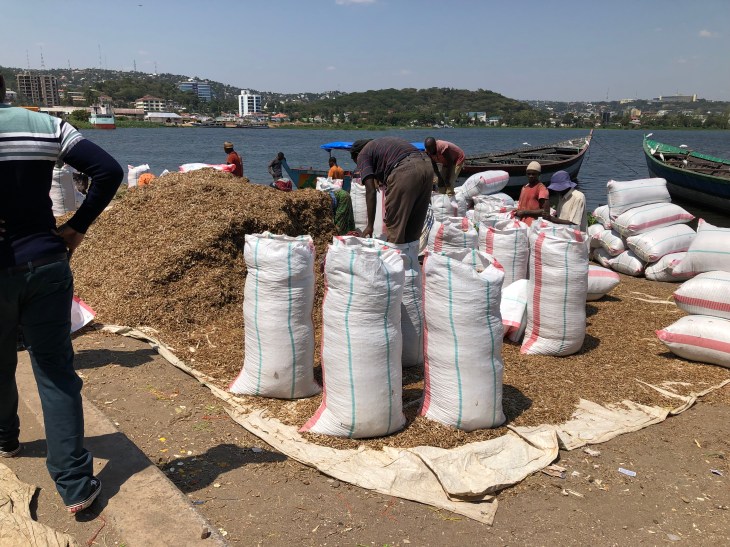
They’re supposed to be an affordable source of protein that comes in bulk and won’t spoil as quickly as other meat (hence, the value for refugee camps). They can be boiled multiple times to eventually make a nutritious soup—sadly, I didn’t have the chance to try, but I will take their word for it!
I’m happy to share the photos and spare you the smell!
Following the boat tour, we had lunch and a relaxed afternoon of running errands. Bernard led me through an impressive maze of market stalls to find a few gifts I’ve been wanting to purchase for friends back home, and we also took time to press and return a suit jacket a mall shop owner had lent him (on the honor system) since he’d accidentally forgotten his suit at home when he flew to Dar to accept his award. The shopkeeper was so pleased he actually returned it, and they had a sweet exchange of showing pictures from the ceremony—just fun to tool around and see what an average day in Mwanza is like!
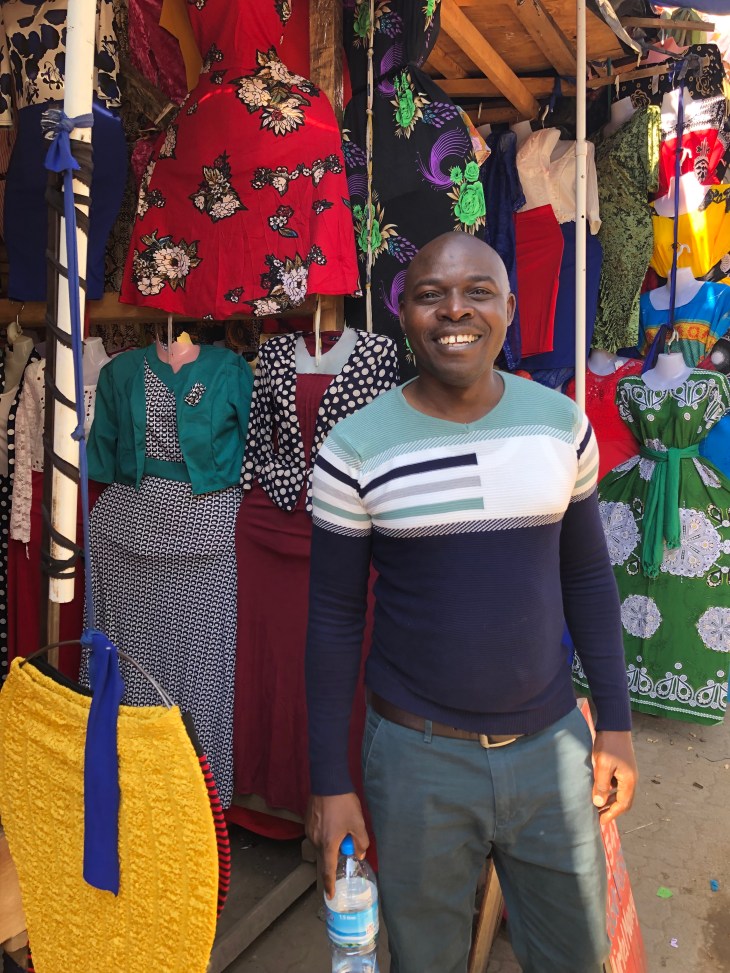
(Also have to pause and appreciate the way women’s dresses are displayed in markets here with the lower sections stretched as far as they can go — I made Bernard pose in front of them because they crack me up every time. “Let’s be real here — how do you expect that little thing to fit over these hips/booty? Show me!”)
Bernard’s friend Moussa joined us for dinner that evening, and we went to a restaurant with fun Congolese live music, women’s World Cup soccer on TV, and fried fish on the menu!
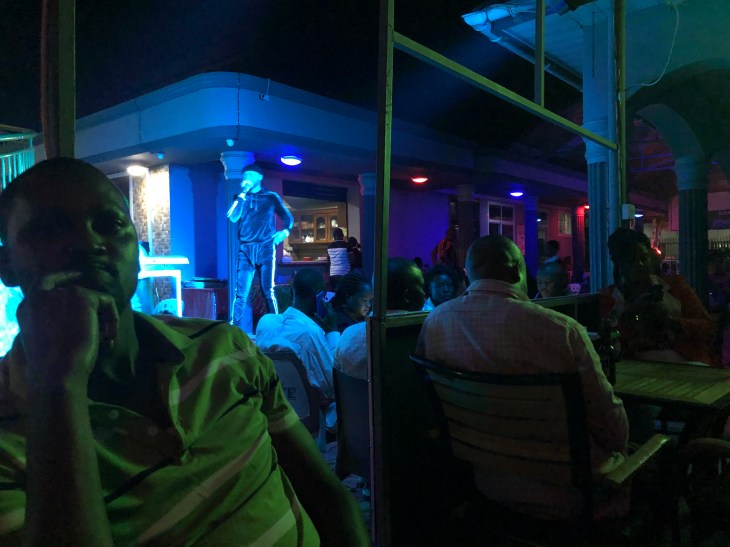
Since my arrival in Tanzania, everyone has been telling me I need to try the fish when I’m in Mwanza with it being right on Lake Victoria… and also need to learn how to eat fish like the people from this region do.
To be clear, this is no “filet” like we’re used to in the States… we’re talking the whole fish—head, fins, eyeballs and all. (I was at least relieved to see these ones didn’t have teeth like the ones in Dakar 🤪)
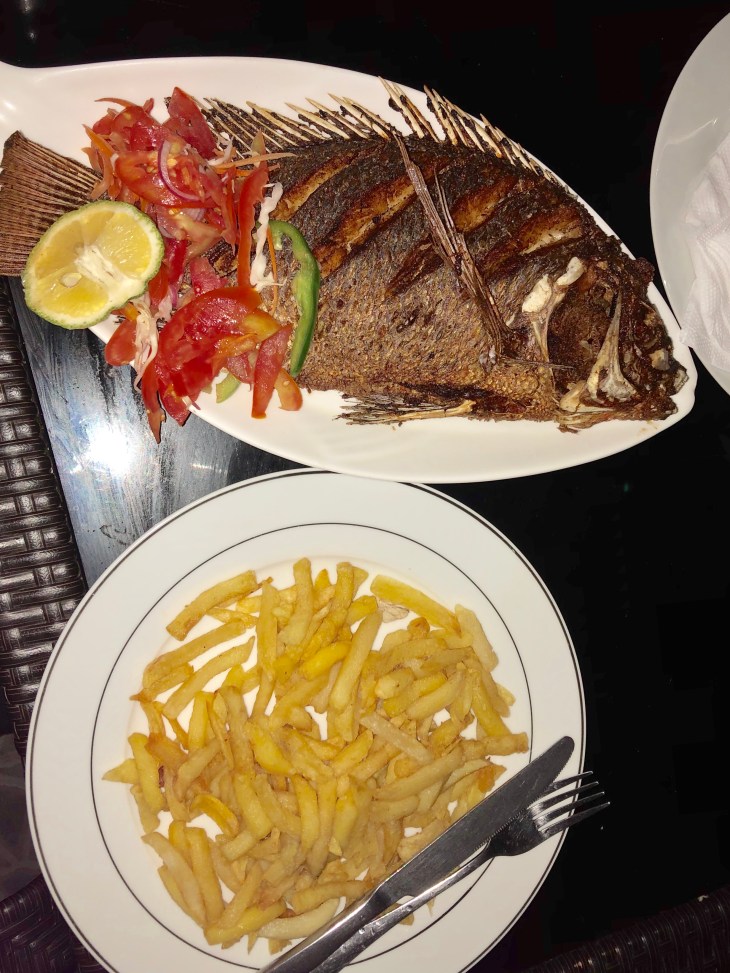
So I had Bernard and Moussa walk me through… starting with twisting off one of the side fins (help me with the biological terms here??) and crunching that—all to Moussa’s encouragement, “Thank you for learning our culture!”
So obviously being the intercultural enthusiast that I am, I couldn’t stop there.
I was doing just fine until it came to eating the head. They walked me through splitting it this way, pulling this part out, eating that.
Then Bernard pointed to some gobs in a rubbery white casing that immediately gave me flashbacks to 8th grade science class when we dissected a cow’s eye. Different animal, same body part. I could only muster one, but I did it—I sucked a salty eyeball out of that fish’s head and spit out some hard piece (I don’t really care to learn what that was), and washed it all down with a couple swigs of Kilimanjaro beer.
Sigh. Gulp. Blah.
I have officially renewed my commitment to trying a vegan diet when I return to the States.
But here’s to trying new things (sometimes so you never have to do them again)!!
—
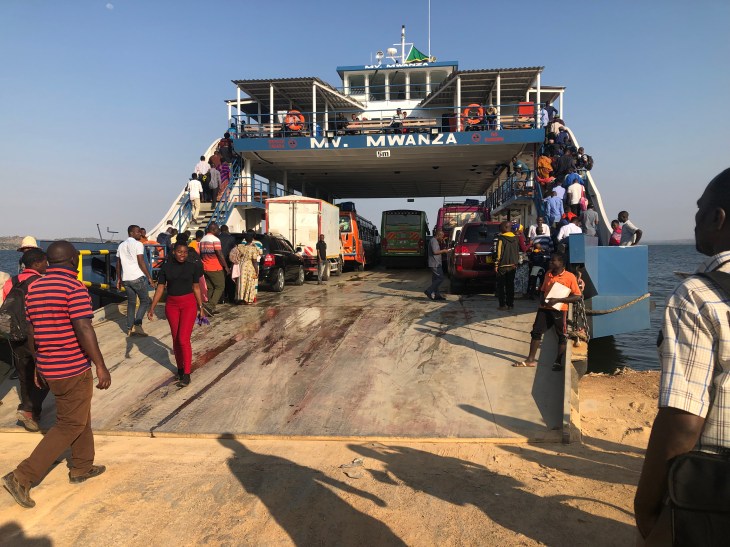
The next day we took the ferry and headed on to Bernard’s hometown of Geita, about a 2 hour drive from Mwanza.
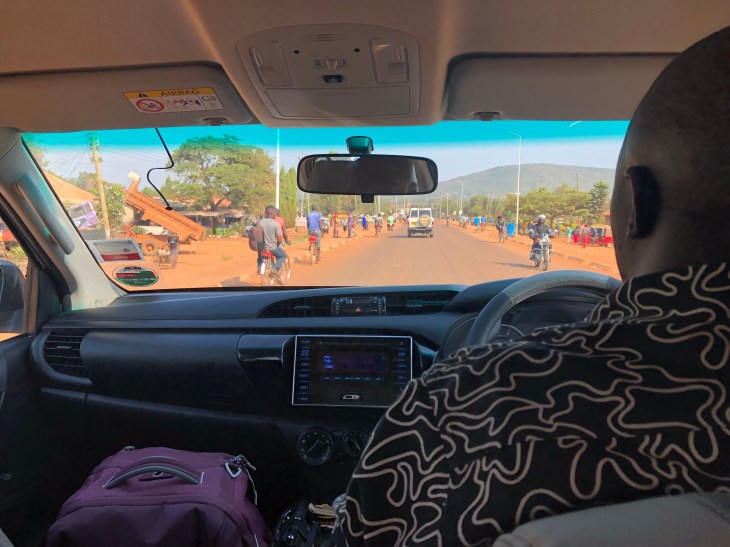
Bernard arranged a tour of the Geita Gold Mine for us that morning, so we headed into the high security zone complete with breathalyzers upon entry and getting outfitted in orange safety vests and hard hats shortly thereafter.
Our hosts pulled out all the big stops for us, including bringing in their specialists to share an hour+ long presentation on mine safety and waste management(!). The parts I found most riveting (surprise surprise) were the mentions of community partnership and environmental conservation.
The mine has an entire unit dedicated solely to maintaining a positive relationship with the local community, including providing clean water and funding schools, among other services. They were very clear that the community allows them to mine the land in the first place, so they take great care to ensure that relationship remains positive.
They also place a high emphasis on environmental conservation (which again, seemed surprising and somewhat contrary for a mining business?), and they are especially careful not to disturb or displace the wildlife in those areas as much as possible. Animals have right of way in their work zones, and employees are required to report if an animal is killed on the mine’s property. They also plant a lot of trees in surrounding areas to help replace the ones they have had to cut down for the mine.
Maintaining these levels of social and environmental responsibility are critical not only to continue operating under the Tanzanian government, but also in order to attract international investors.
So after our thorough information session, we go to actually see the mine! At 1.2 km (0.7 miles) wide and 470 meters (0.3 miles) deep, it’s the largest mine in East Africa.
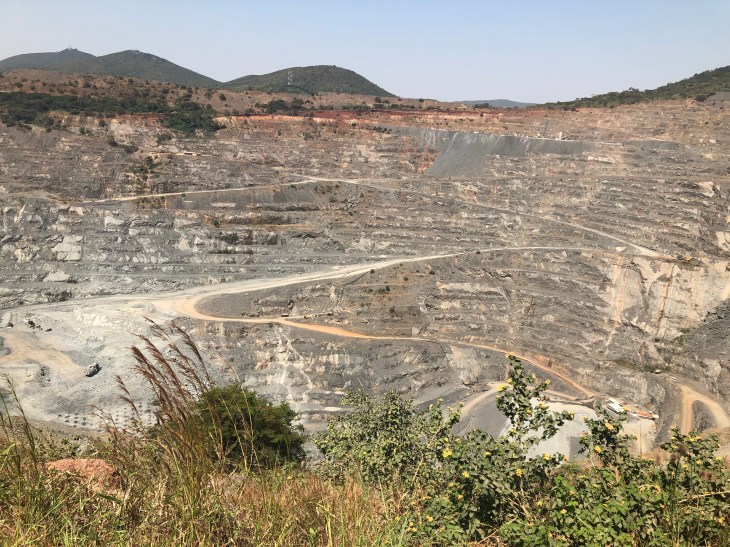
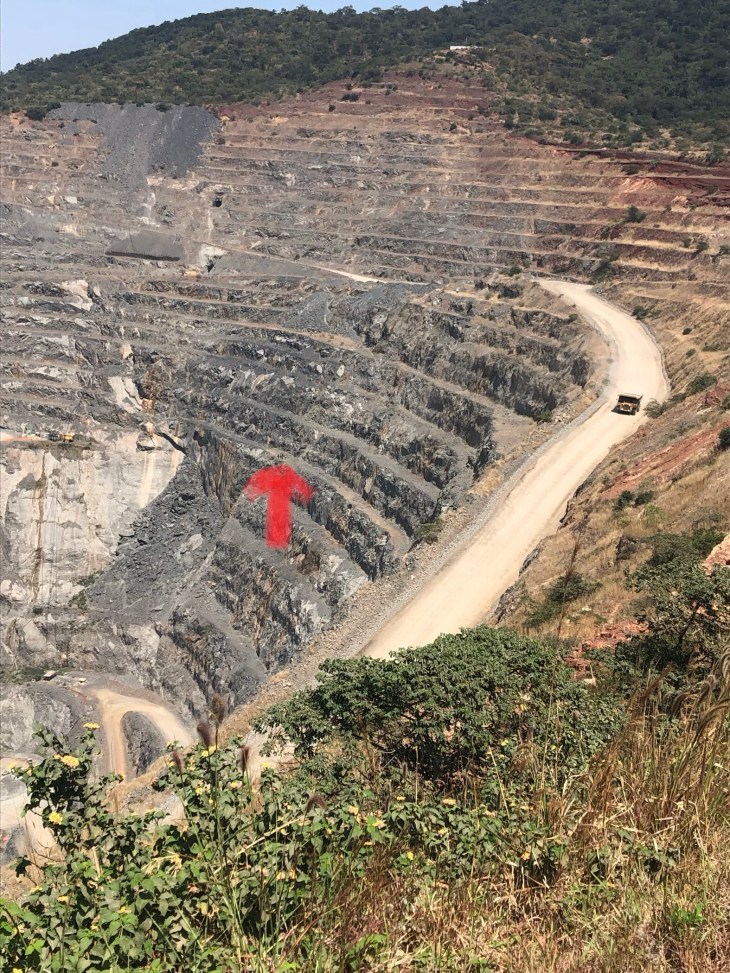
As we looked out over the vastness of this glorified hole in the ground, our guide pointed to a tiny speck moving precariously along one of the walls, “You see there? Those are the risk takers.” Members of the local community known among the miners as “intruders” will come and take their own gold from the mine to sell; from what I gathered, the mine is more concerned with them as a safety hazard than as a loss of precious resources. Seeing their tiny bodies against the massive mine was quite an exercise in scale. (I tried to point them out with an arrow below, but they are pretty hard to spot with the naked eye–you may have to zoom in!)
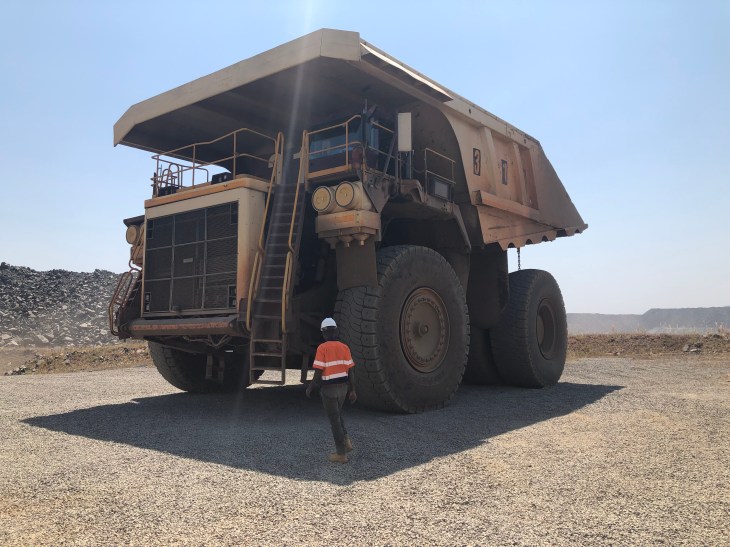
As we were preparing the leave the mine, our guide asked us to wait— they wanted to bring in one of the trucks to show their special guests! I will readily admit, I definitely rolled my eyes when they first said this, thinking to myself, “Okay, I’ve seen some big trucks in my day, but whatever, I’ll placate you.”
Nope.
When this monster rolled in, I was straight jaw-dropped and giddy as a 5-year old. SO big!!
The truck itself weighs 150 tons, but it can carry up to 240 tons, indicated by the electronic scale on the side of the truck bed. I was a quick convert, totally nerding out right along with the rest of them at their impressive equipment!
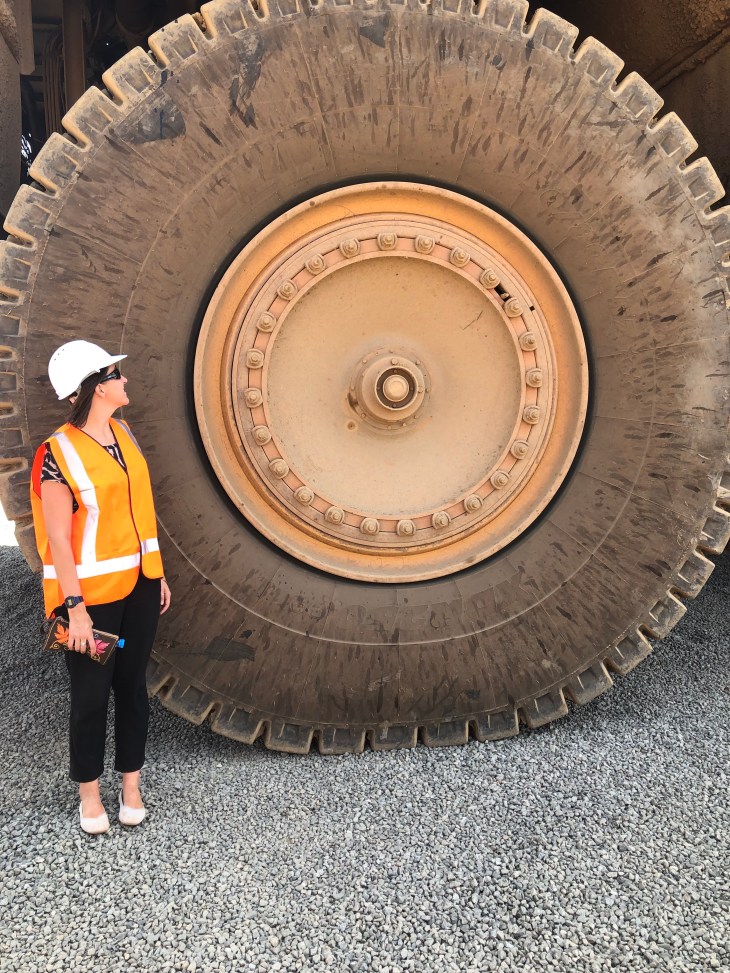
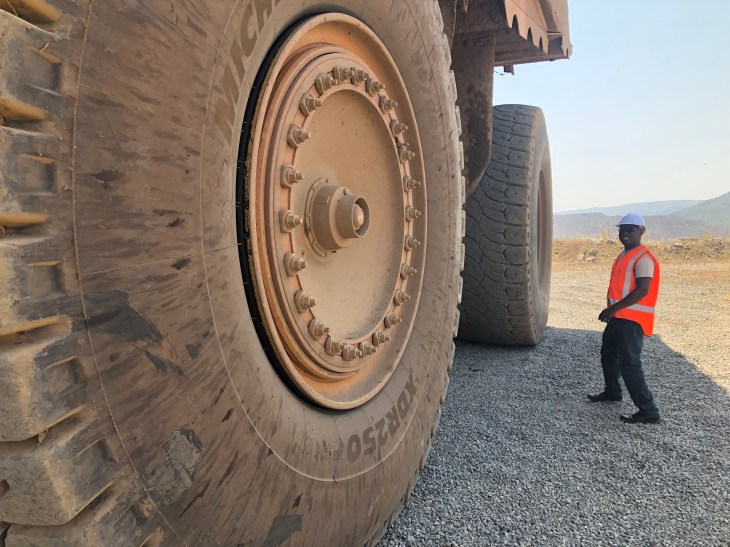
After wrapping up what kind of felt like a grown up day of Mr. Rogers, we headed back to Bernard’s house for a weekend of homestay!
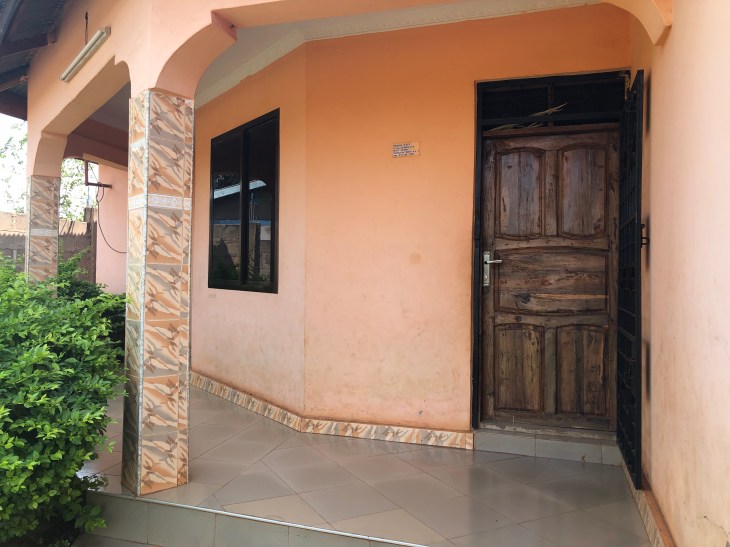
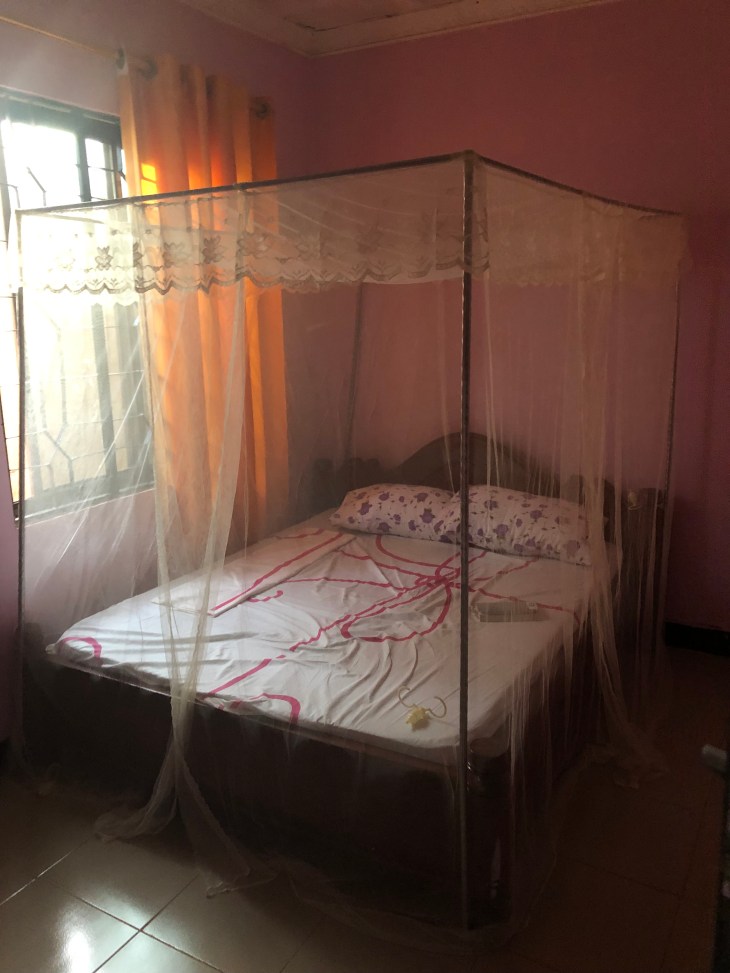
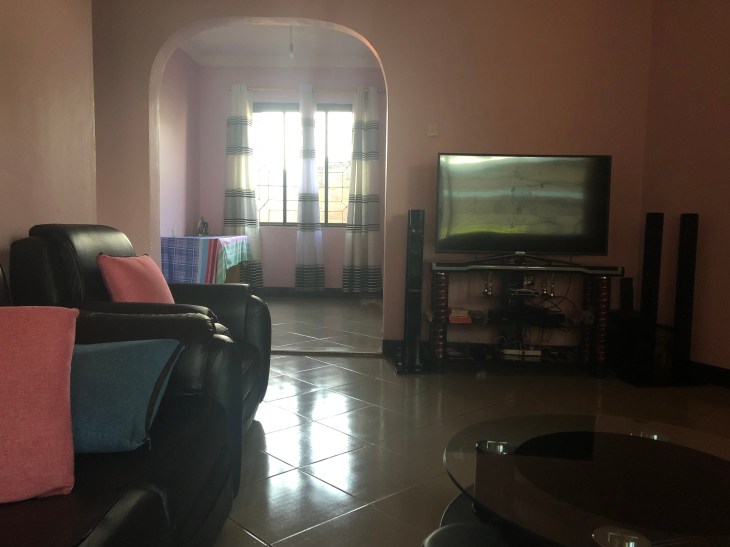
During the Mandela-Washington fellowship, I organize the homestay experience for fellows, during which time they spend a weekend living with an American family to experience “typical home life” in the US. During the host family orientation, I always tell the local families who will be welcoming fellows into their homes, “Don’t feel pressure to come up with extravagant activities — even the most mundane of daily tasks will be totally new cultural experiences for these fellows!” I can safely say, I lived that advice this weekend!!
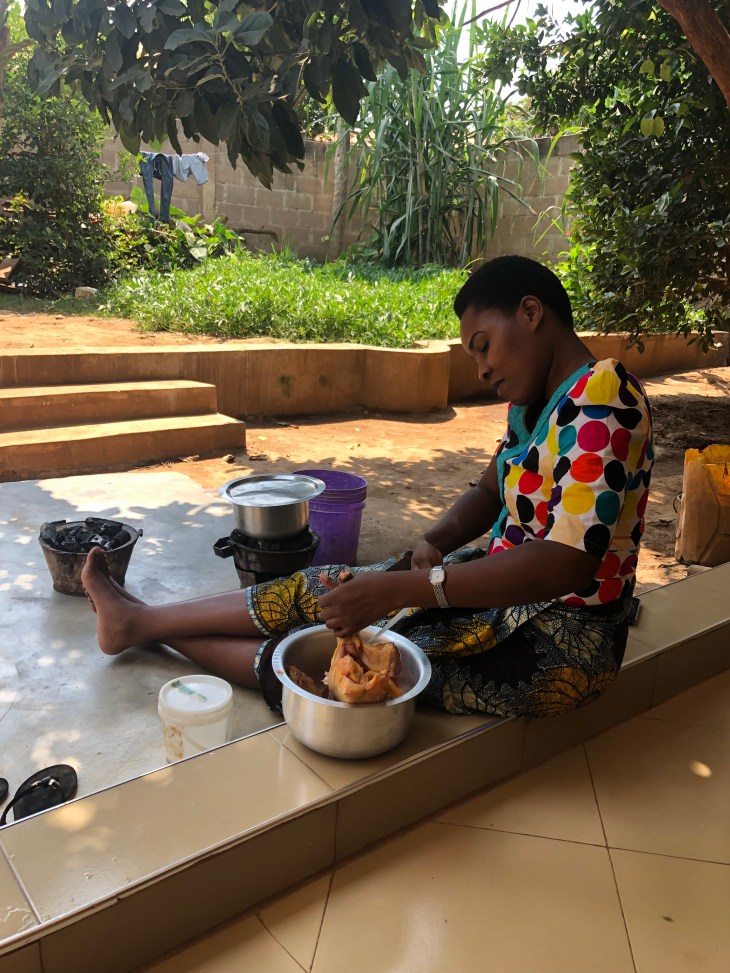
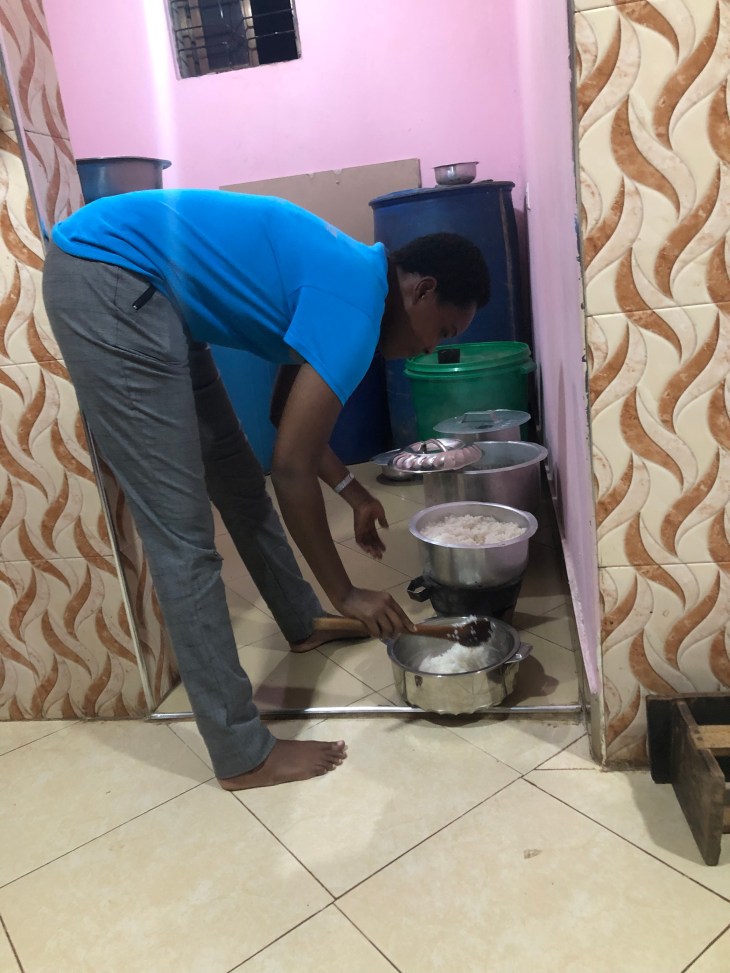
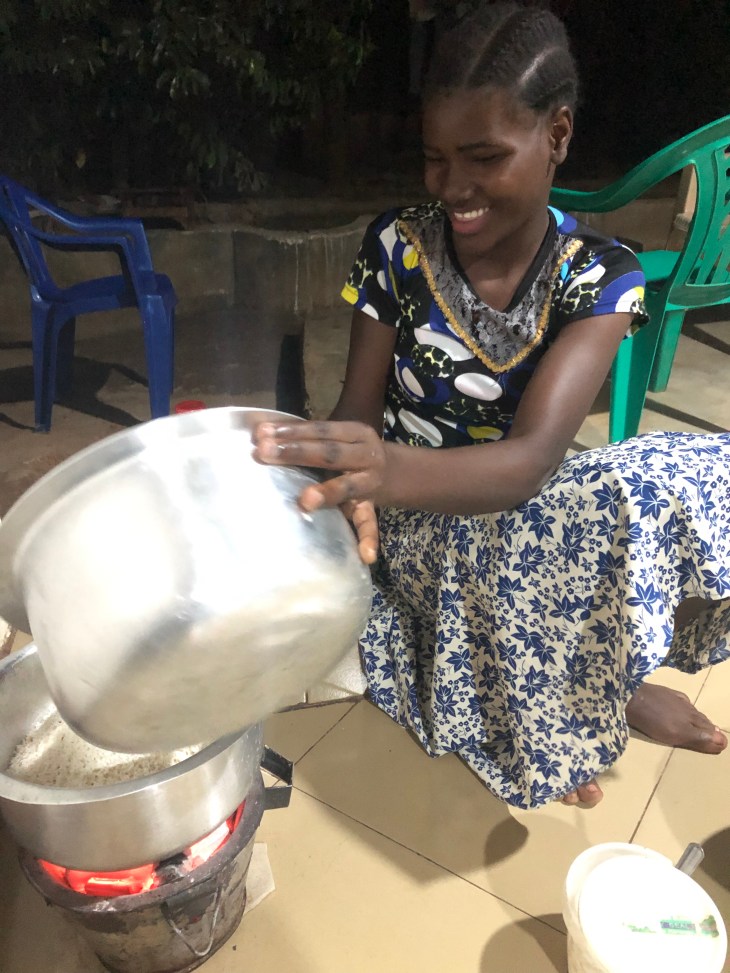
One of my favorite elements of staying with their family was just watching and learning their process for preparing meals. They have a very nice kitchen inside, but most of their cooking (and dishwashing!) is done outside on the back terrace over hot coals. Their house is equipped with running water, but regular water cuts during the day means using buckets and small cups to dole out water for cooking, cleaning, and hand washing throughout much of the day.
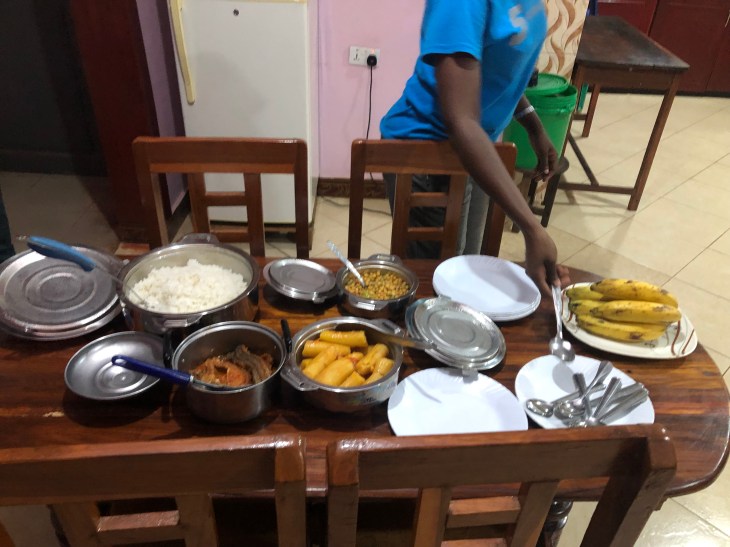
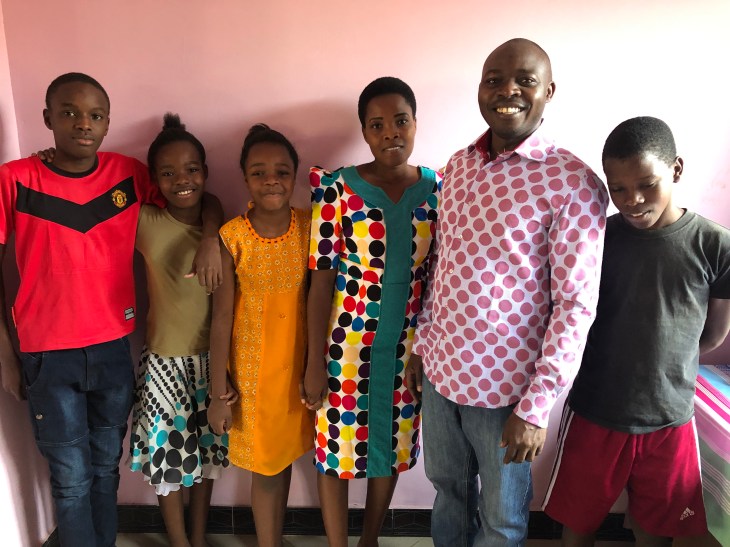
I also got to witness one of their very sweet nightly family traditions. Bernard is a lawyer, and his wife Kalabo is a magistrate, so they both value education and want their 10-year old twin daughters to be confident expressing themselves and speaking in public. So, every night around 9pm they gather as a family for an informal church service in their living room. The girls passed out hymnals and we all sang “What a Friend I Have in Jesus” in Swahili, and then one of their daughters delivered a short “sermon” on a verse and teaching of her choosing. Bernard was especially impressed that his daughter delivered the whole thing entirely in English (I think so I could understand ❤️), and all the children (some cousins live with them, too) know they are on rotation so someone different is responsible for giving the sermon each night. It was a delight to witness!
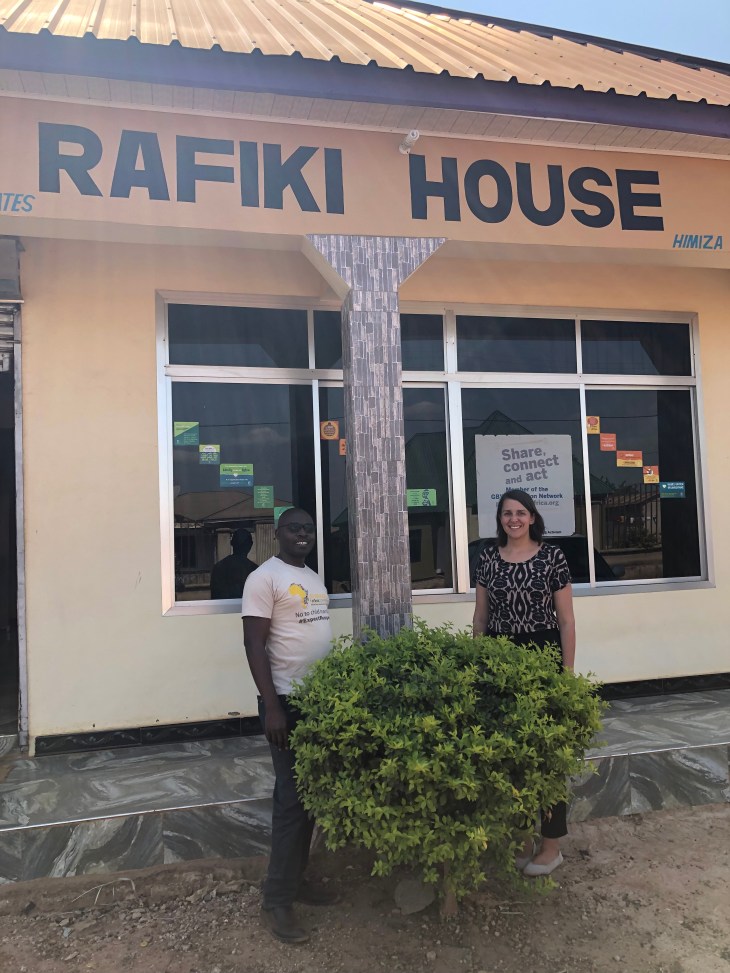
Bernard has founded his own law firm located in the Rafiki House (Friend House), and from that, also founded a nonprofit Himiza Social Justice, where lawyers handle pro bono cases in the local community—an example he gave was if a woman’s husband died, they would work to ensure the wife/widow is granted access to her husband’s inheritance, instead of his family trying to reclaim it and state she has no entitlement to it. Everywhere we went in Geita, by all the hands he shook and greetings he received, I was reminded how Bernard earned the nickname “Mr. President” while in Boone… this is a man very much in service to his community, and known and respected by so many. I was so proud to see a glimpse of all he’s done!
A final anecdote for you… my last day with his family, I accompanied Bernard’s wife Kalabo on her trip to buy groceries. On our list: tomatoes, onions, carrots, potatoes, fruit for dessert, and chicken.
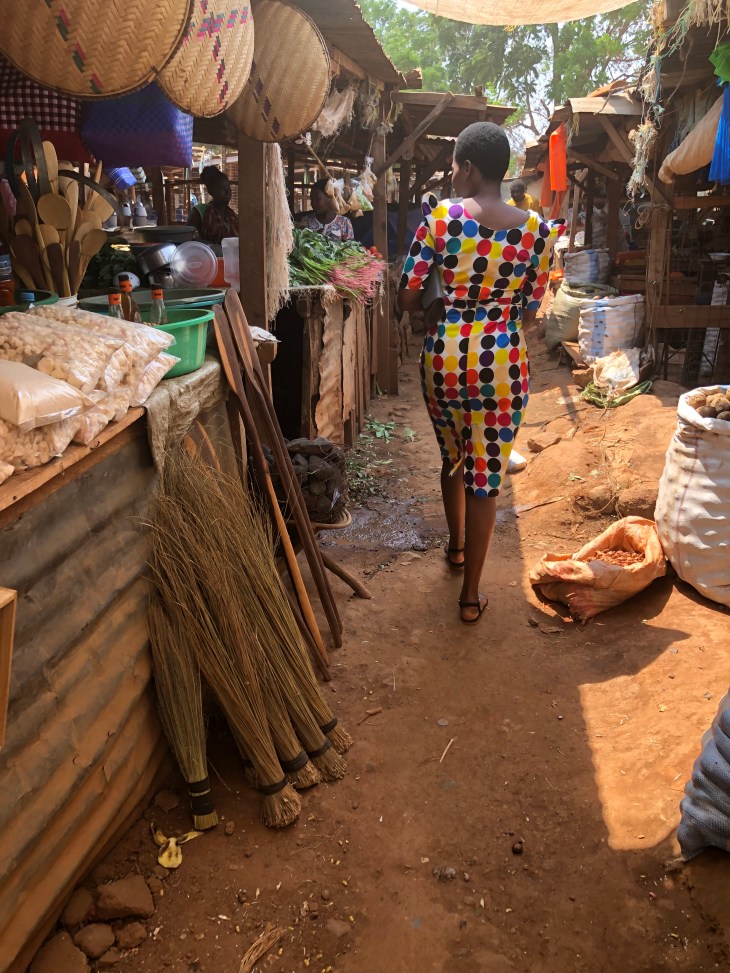
I’m not sure what made me think the chicken would NOT be alive, but as soon as we stepped into the square surrounded by clucking hens in wooden cages, it very quickly dawned on me what was happening here.
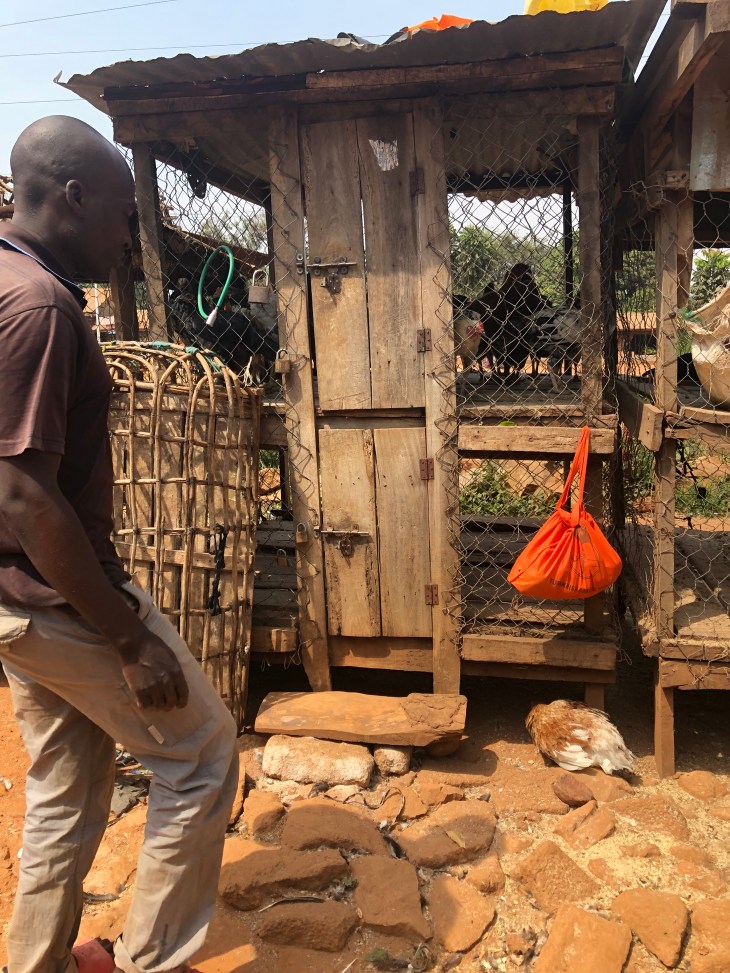
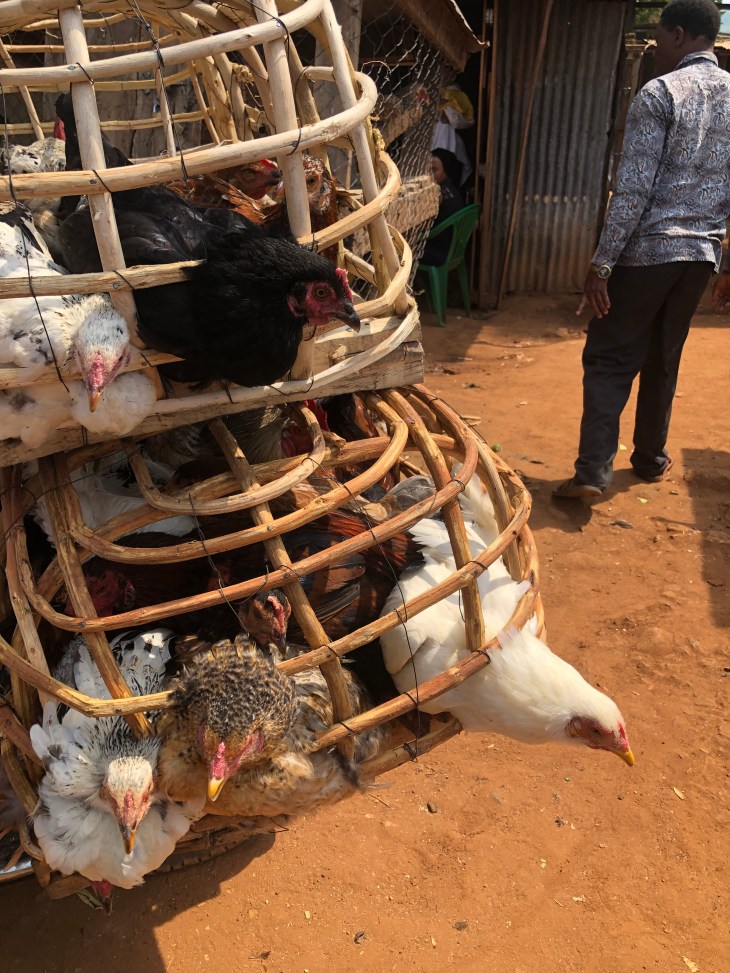
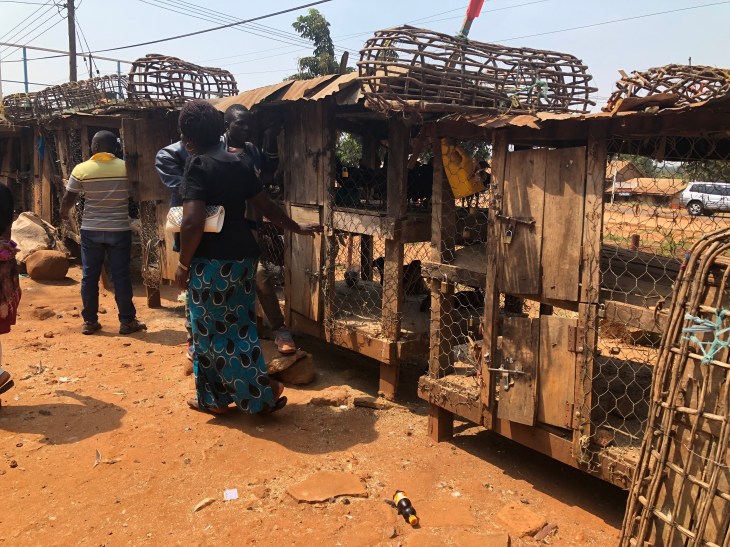
The salesman grabbed a couple flapping birds by the legs and held them out upside down for Kalabo to weigh and consider which would be best for our family size. I stood back in a combination of horror and scolding self-talk—if you’re going to eat meat, obviously you should know this is how it happens, but there was still something jarring about being so intimately involved with the selection process. I looked my dinner in the eye while it was still breathing!
Finally settling on one chicken, Kalabo handed the man her selection and he took it “out back”… 5 minutes later he returned with a pink-skinned featherless bird more akin to those I’m used to seeing in the grocery store… except this one still had a long neck attached with a bloody stump at the end.
Again. Recommitted to trying veganism when I get home.
Uff da.
All in all, though, it was such a cool experience to spend a relaxed weekend with his family, just seeing what day-to-day life in Geita is like for them. I felt like part of the family—they treated me with such kindness, and once again—overwhelming hospitality! All of these experiences are making me completely rethink how I host people in the US.
Alright, one more post about my final stop in Bukoba… and then that should be a wrap! Looks like I will have plenty of time to work on that during my near 20 hours of flight time starting this afternoon! 😍
Hugs to all! Thanks for reading the novel!
-L

 Tanzania Travels