(We have been without WiFi the past few days, but I’ve been keeping up my blog via the Notes app on my phone… ☺️ so here’s a retroactive post from June 7, 2019)
“Pork and bananas”
“I think someone will have a lot to write about in their blog tonight!”
“This place is so holy”
“What kind-hearted people they are!”
“Poa!”
So many stories to compile from the last 24 hours. Some guiding quotes to share the anecdotes:
“Pork and bananas”
This is what Reguli ordered us for dinner our first night in Dar. True story. Except the bananas were more like baked plantains, savory and delicious dipped in salt! The pork came out chopped into bigger-than-bite-size pieces, still on the bone, and piled on one big plate we all shared and ate with our hands. This, coupled with a few rounds of Safari (local libations!) and great conversation made for a wonderful first night!
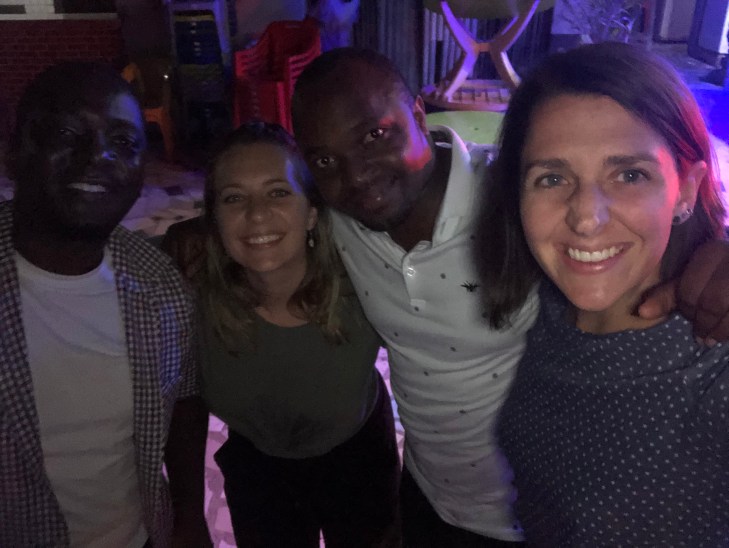
Among our topics of conversation:
Weddings and Swahili time!
Sam and I were comforted to learn that we have it pretty good in the US only being asked to be bridesmaids for our friends (and the subsequent bachelorette festivities and expenses that come with that invitation) because according to Reguli and George, in Tanzania couples assemble their friends into wedding COMMITTEES(!) to plan the whole ordeal. They’re expected to make a financial pledge and meet regularly for the year leading up to the wedding to discuss and carry out plans… not to mention those meetings are also small parties in and of themselves, complete with a meal and drinks… so maybe just having to buy your own dress isn’t so bad?
As for Swahili time… the guys asked us to double check them when we arrange a meeting time, as they mentioned they sometimes get their time conversions mixed up between US and Swahili. Oh? Upon further investigation, we learned in Swahili, time begins being counted around sunrise, instead of midnight (which actually makes way more sense, especially for a country near the equator whose sunset/rise times vary less)… so what we in the US know as 6:00am is called 12:00 in Swahili. 7:00am is 1:00, 8:00am is 2:00, etc. We put this into practice the next morning when we met for breakfast at 6:30AM and Reguli said he woke early up at 11:00 and had been up ever since… gold star if you figured out he meant 5:00AM 🤪 That (coupled with our jet lag) keeps us laughing and second guessing each other all day.
“I think someone will have a lot to write about in their blog tonight!”
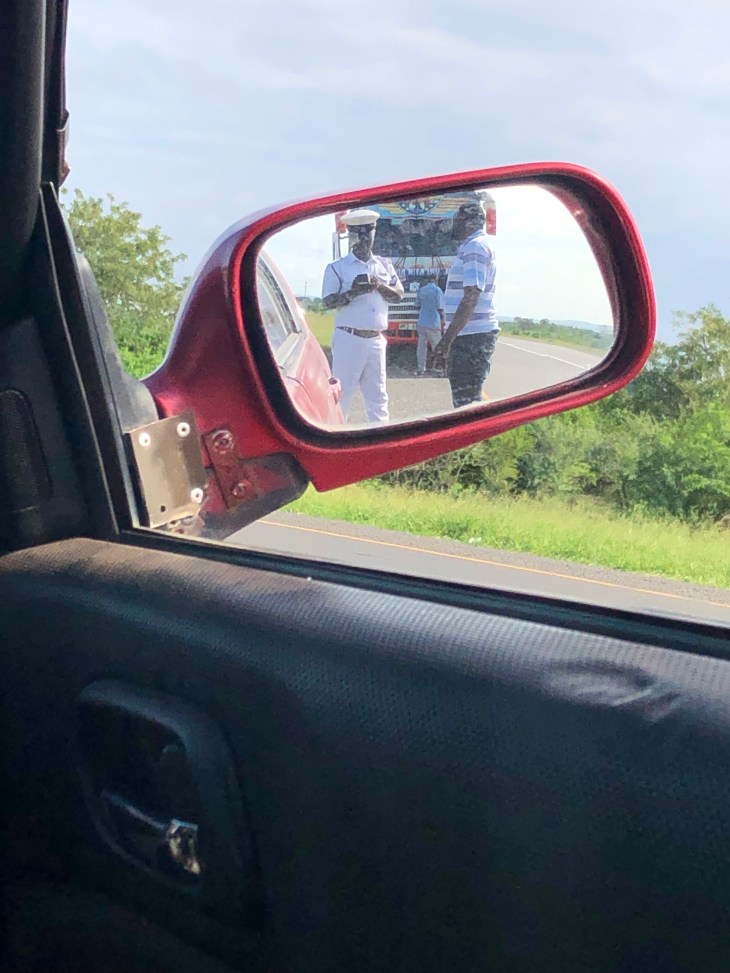
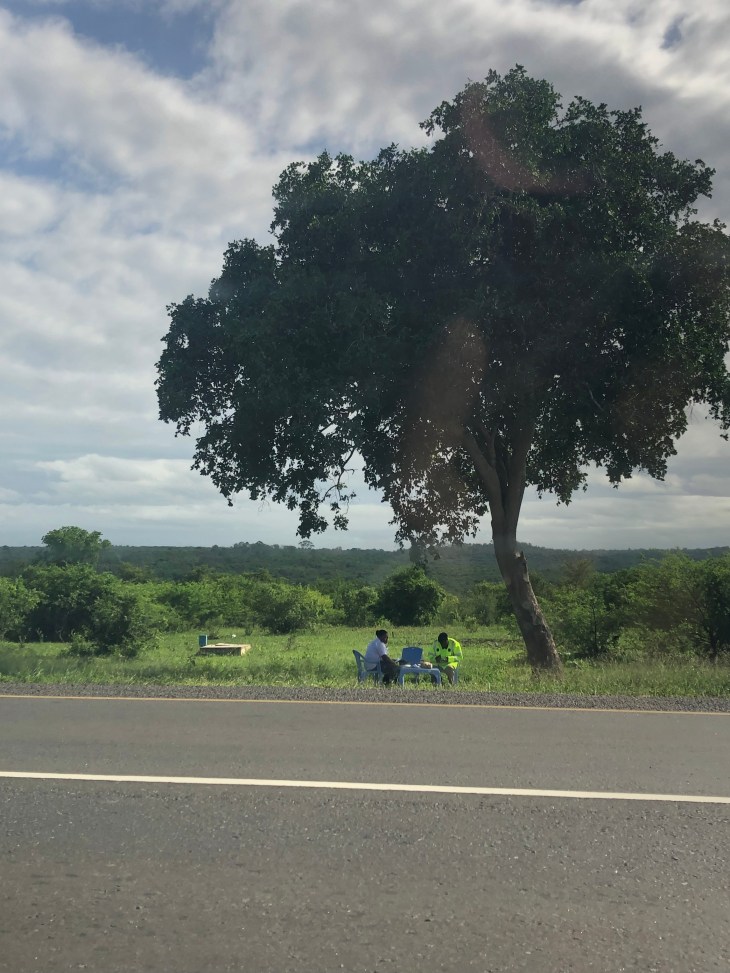
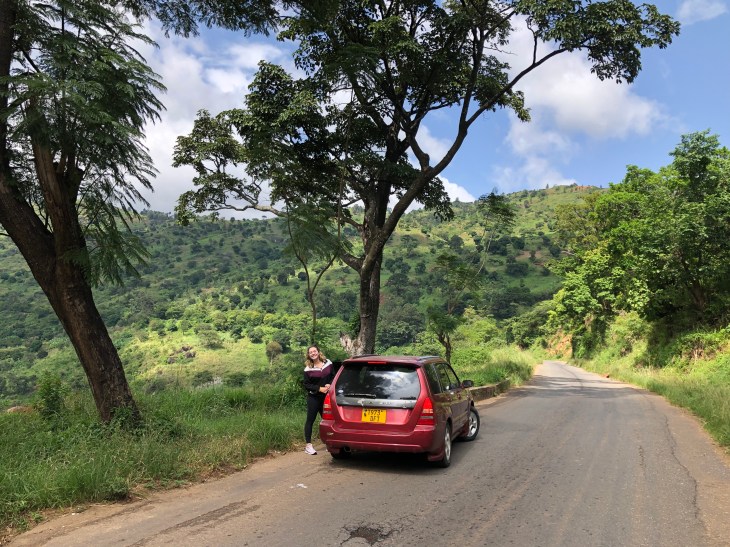
That was George’s comment after the third time in two hours we got pulled over and fined by the police for erroneous traffic violations during our drive up to the Usambara Mountains. Each time, the police were unable to provide valid evidence of the offense Reguli or George were charged with; apparently this is a convenient source of government revenue that is also free of any appeals process for those being ticketed. The whole thing felt absurd and so unfair… as George said, “This is the price you pay for driving your own car between regions in Tanzania!” Reguli added, “This is why you include in your orientation to US culture that in general police in America are your friends, someone you can go to if you’re lost or need help… this is not the case in Tanzania.” To their credit, both George and Reguli handled it gracefully and even laughed it off, but even so—there was a distinct feeling of injustice around the whole thing.
“This place is so holy”
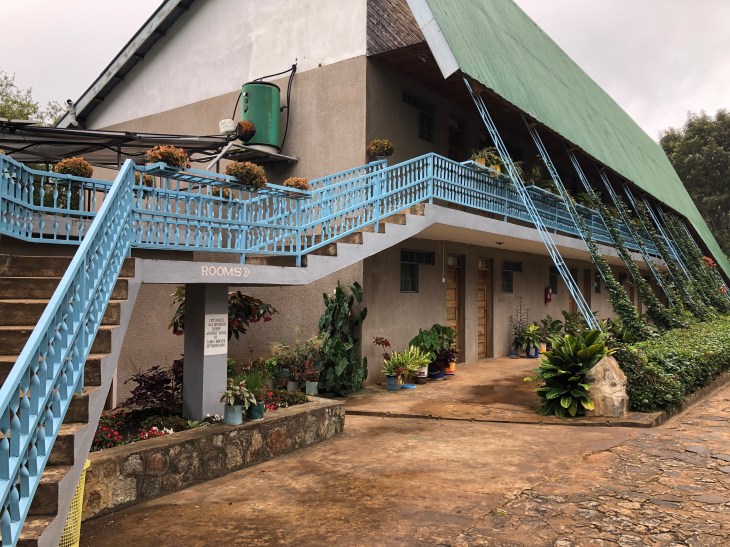
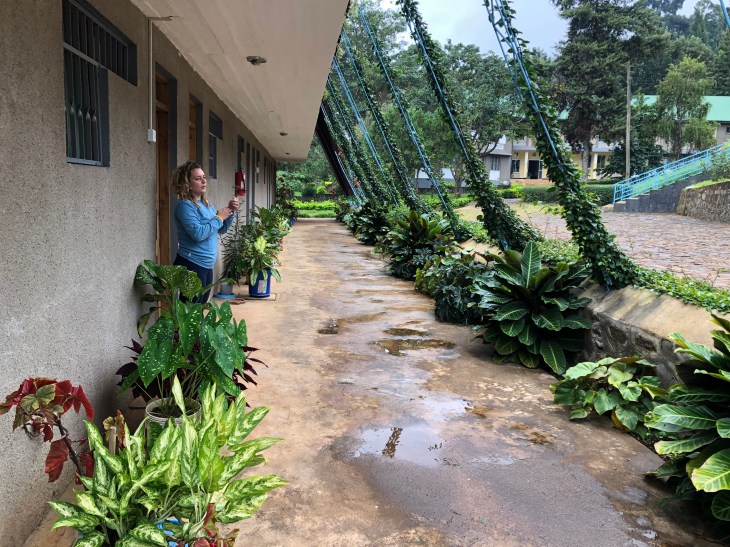
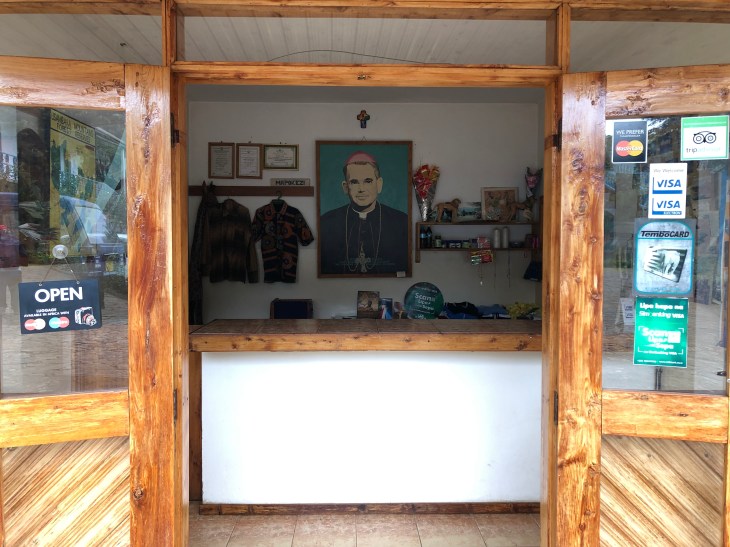
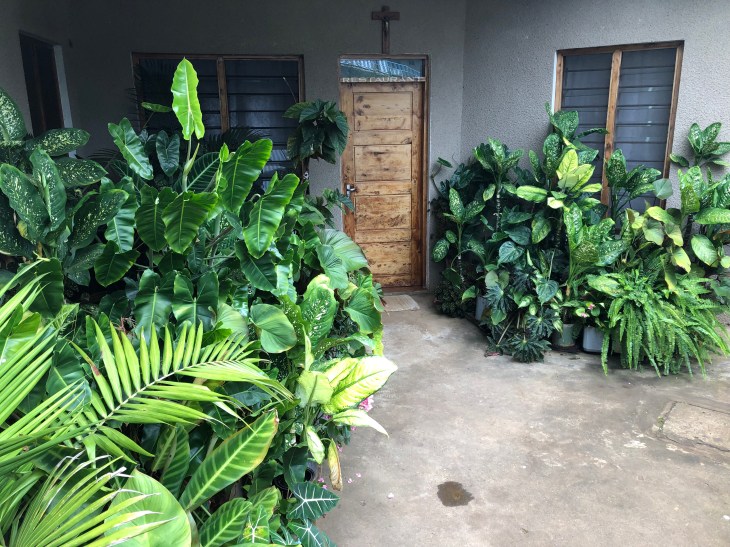
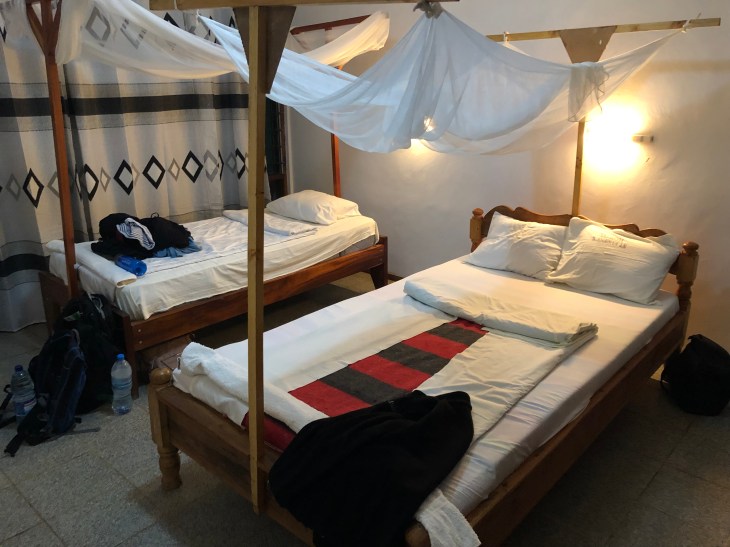
That was Reguli’s reaction to our arrival at St. Eugene’s, our first hostel in Lushoto — although heavily adorned with pictures of Jesus and crucifixes, it’s also the most delightful, peaceful spot with strings of flowers and tropical plants at every turn. The place is run by nuns from a nearby convent, and Sister Sophia continually repeated “Hello, you are welcome!” as a sweet greeting upon our arrival.
“What kind-hearted people they are!”
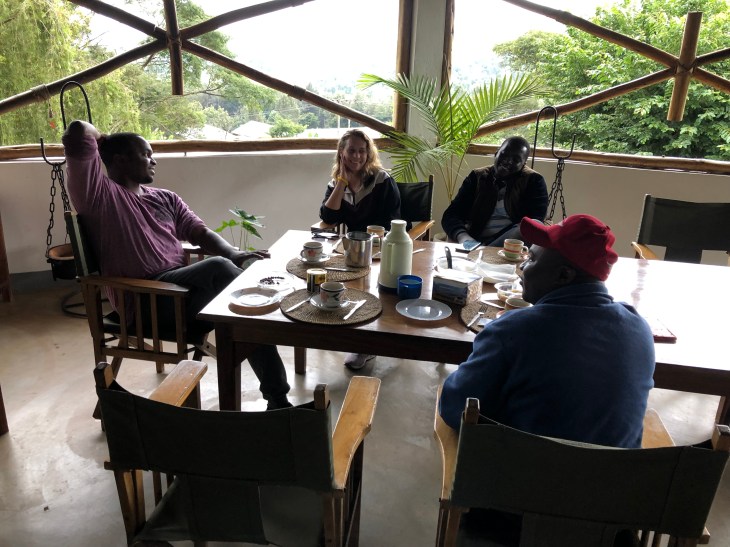
Upon arrival at our hostel, we were introduced to our guide Kibwana (Ki for short) who shared with us some of the history of the region over cups of tea and coffee.
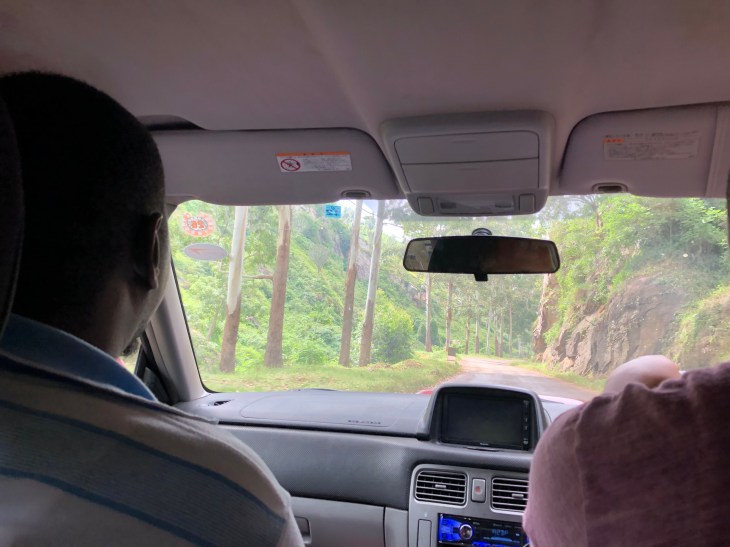
Originally colonized by the Germans, he said Lushoto was once intended to be the capital of Tanzania—a refuge in the mountains for the Germans, who preferred to rule from a high place and leave much of the labor and industry to the people in the lower lands. They logged mahogany and other precious resources from the land, and built narrow roads lined with Eucalyptus trees to stabilize the eroding hillside (which explains the otherwise charming row of trees that lined our drive up to Lushoto).
After WWII, the colony was given to the British, who insist they “never colonized” Tanzania, but were instead “trustees” of the Tanzanians and “taught them how to live on their own”— as Reguli quipped sarcastically, “What kind hearted people!”
I have to admit, I studied African colonial history a fair amount in college, and even wrote my thesis on Senegal’s colonial history with the French. I remember thinking it made sense that the colonial powers wanted to “train” their colonized people on how to run a government before granting them full independence since they’d been under another government’s rule for so long… I’m embarrassed and ashamed to admit that only after this conversation did that notion really strike me as absurd and wrong.
Ki also explained that it’s hard to know all of the history because the leaders of Tanzania following independence in the 1960s tried to suppress the teaching of their colonial past to Tanzanians in the name of maintaining positive relationships with European governments. He summed it up eerily, but in a quiet, calm voice, “It’s a very long history — we just cannot know it all.”
“Poa!”
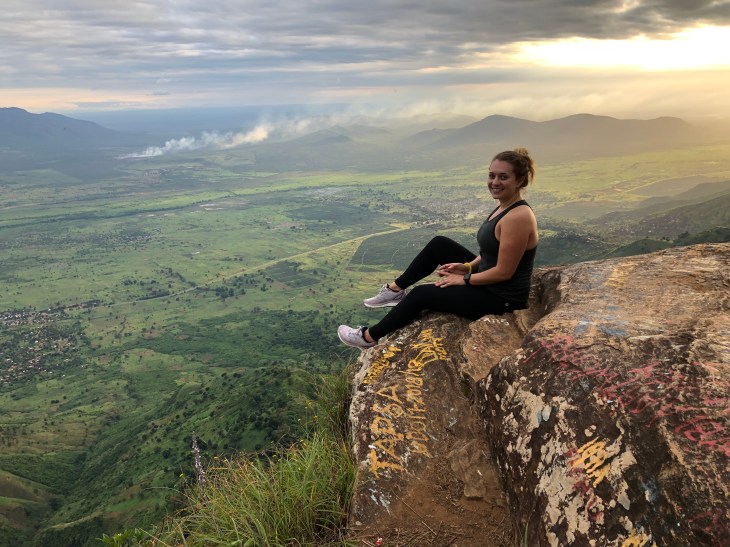
We learned this as the appropriate response to the greeting “Jambo” along our hike through Irente—an idyllic little mountain town with a most impressive view point, where we enjoyed a stunning golden hour and sunset!
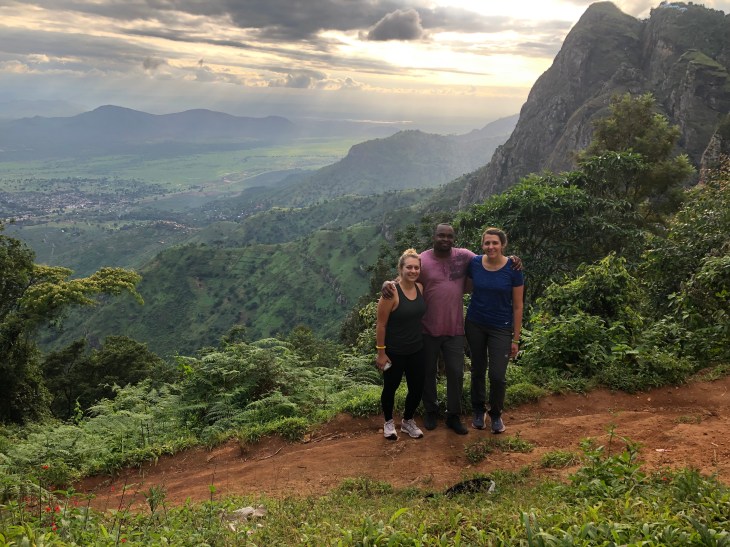
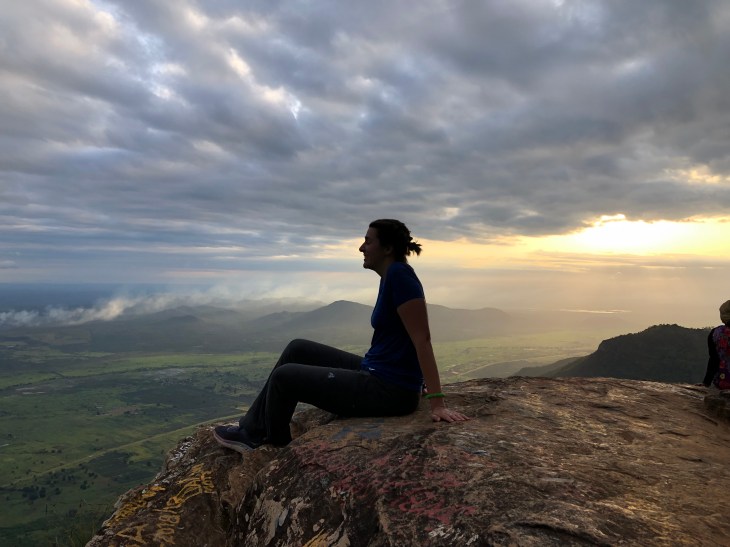
Our guide Ki seems to know just about everyone in town, so we happily tagged along behind him as he made his rounds of greeting everyone; we got to practice our Jambo-Poa call and response along the way, as well. Outside of hiking tours, Ki does a lot of community development work and educating people about mountainside farming techniques, among other things—he seems very much in service to his community, and clearly a popular guy around town!
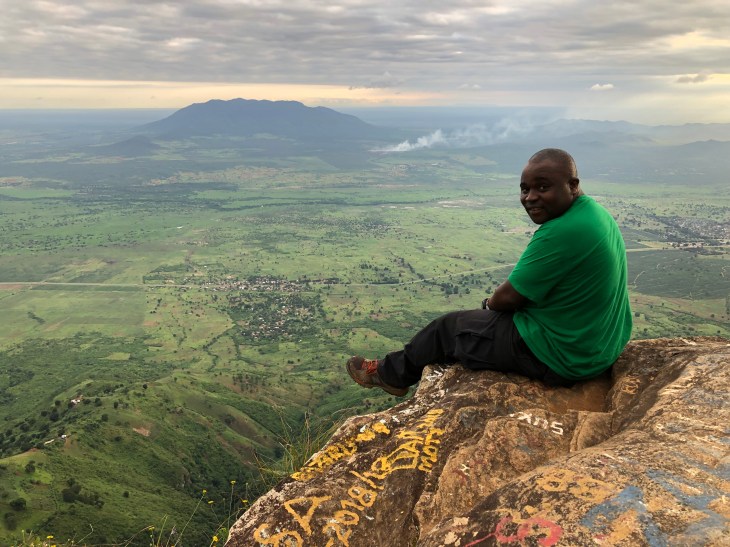
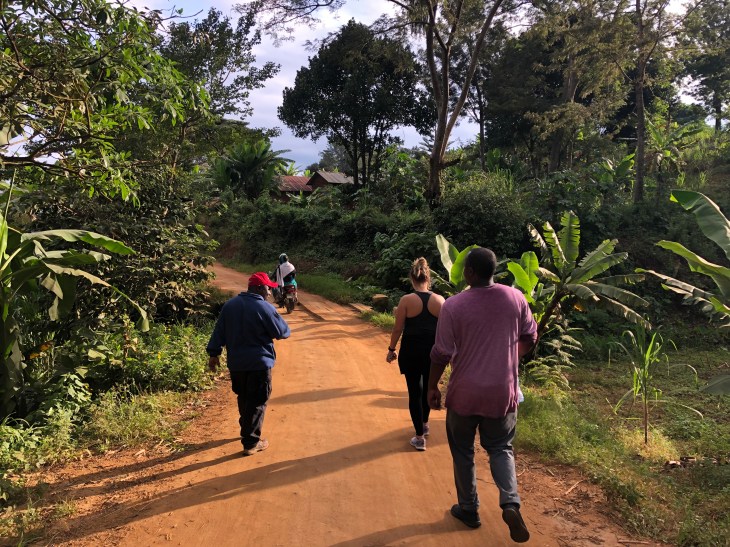
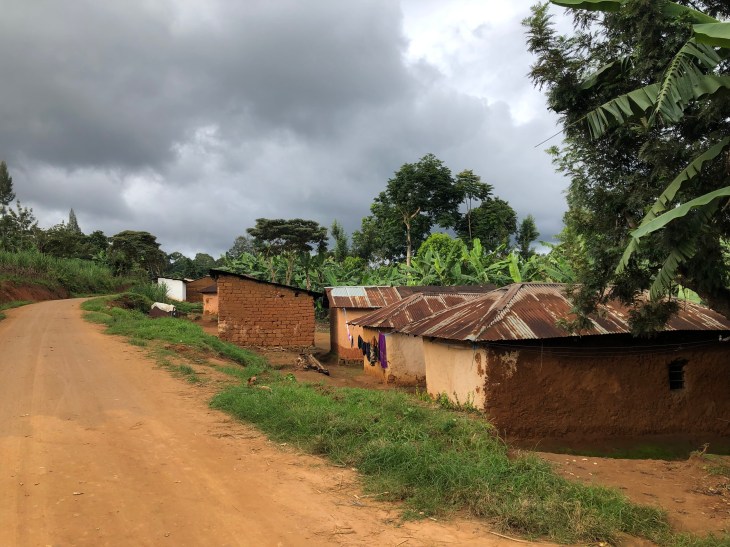
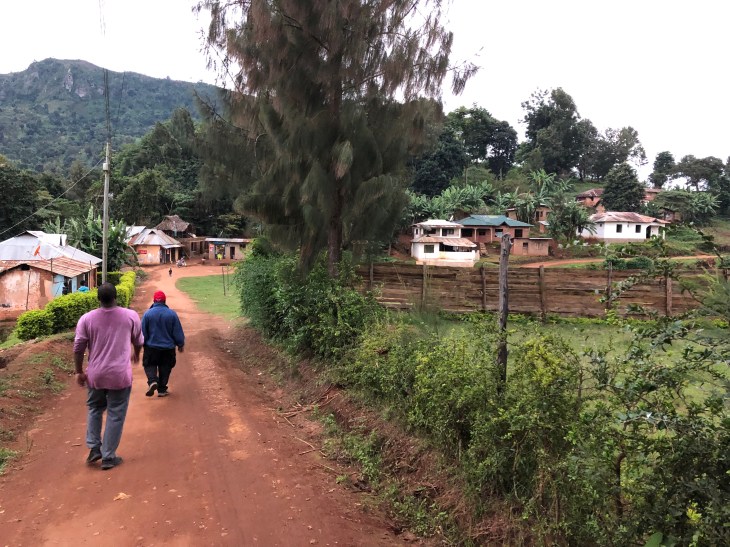
He also happens to be an expert photographer (which you know I really appreciate!!), and he kindly indulged us in a series of jumping pictures at Irente Viewpoint.
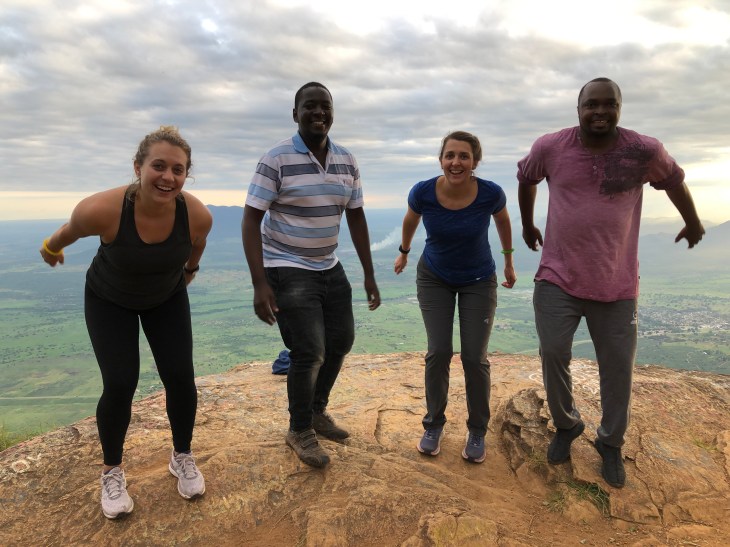
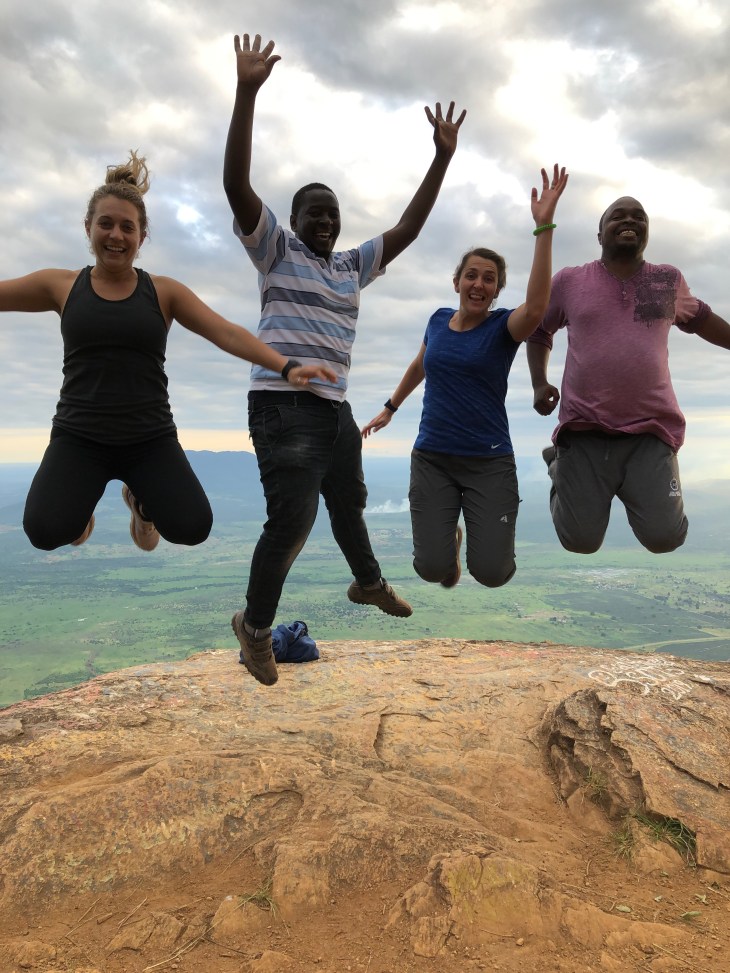
(L to R: Sam, George, Me, Reguli)
We have a great crew—really looking forward to these next few days! I’ll leave you with that for now. Hugs to all!
-L

 Tanzania Travels
Jambo!!! There’s so much goodness in this post! The pic of Sam in the cliff is The making of a motivational poster…. so beautiful! 💕
LikeLike